
fast fashion vs quality merch
The world of branded merchandise has changed. Companies are no longer handing out cheap items that get tossed into a drawer and forgotten. Today’s best brands understand that swag plays a direct role in culture, loyalty, and how people experience your company. With this shift comes a growing divide between fast fashion vs quality merch—fast fashion products that look good for a moment and high quality merch that delivers long term value. Understanding the difference can help businesses make smarter investments that strengthen their brand instead of weakening it.
At first glance, fast fashion vs quality merch style merch seems appealing. It is inexpensive, easy to order, and often promises quick turnaround times. But these short term benefits come with long term costs that show up in durability, customer perception, and overall brand impact. When products fade, break, or fall apart after a few uses, they create a negative impression. Quality merch, on the other hand, is built to last. It maintains its look and feel, it stays in the hands of customers, and it strengthens your brand every time it is worn or used.
The Problem With Fast Fashion Merch
Fast fashion merchandise is designed for speed and volume. The goal is to produce items at the lowest cost, often at the expense of materials, craftsmanship, and sustainability. For companies, this approach creates several problems:
Short lifespan of products. Items tend to shrink, fade, peel, or unravel quickly. When your branded merchandise wears out fast, it reinforces the idea that your brand is not built for the long term.
Lack of comfort and usability. Cheap apparel often feels stiff, heavy, or synthetic. Customers rarely reach for these items, which means your brand loses visibility and impact.
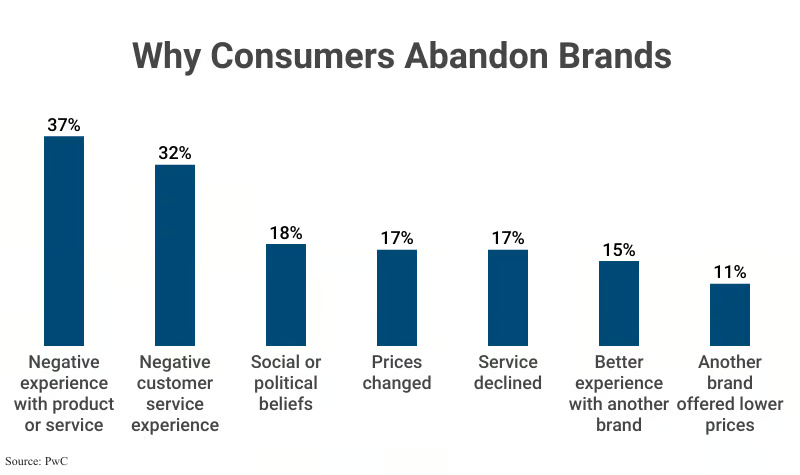
Negative brand association. People naturally connect the quality of a product with the quality of the company that provided it. If the merch feels disposable, the brand can feel disposable too.
Sustainability concerns. Fast fashion is one of the most polluting industries in the world. Low quality swag contributes to waste and sends the message that the company is not mindful of its environmental footprint.
When you look at the bigger picture, fast fashion merch is rarely a cost saving move. It creates hidden expenses by lowering customer engagement, diminishing perceived value, and requiring more frequent reorders.

Why Quality Merch Matters More Than Ever
Quality merch is not just a nicer product. In the debate of fast fashion vs quality merch, it is a strategic investment in brand loyalty, culture building, and long term visibility. High quality items are worn more often, kept longer, and talked about more, which makes them far more effective than cheap alternatives. sustainable clothing
Here is why quality merch has become essential:
It creates real brand affinity. A premium hoodie, soft tee, or well made bottle immediately stands out. Good merch feels intentional and communicates care.
It stays in circulation longer. Every month someone continues using your merch is free brand exposure.
It supports culture and belonging. Employees proudly wear quality pieces that reflect their workplace identity.
It reduces waste and supports sustainability. Fewer replacements means a smaller environmental footprint.
It elevates your brand. High quality merch signals professionalism and thoughtfulness.
The Cost Myth: Why Quality Often Saves Money
Many companies assume that fast fashion vs quality merch means higher costs, but the true cost story tells a different truth. Cheap items require more replacements, do not get used as often, and fail to deliver brand impressions. Quality merch delivers longer life, higher engagement, and better results. One premium item can outperform dozens of low quality alternatives.
The Future of Swag Belongs to Quality
As companies prioritize culture, sustainability, and customer experience, the demand for high value merchandise continues to rise. In the discussion of fast fashion vs quality merch, fast fashion swag may offer a quick win, but it rarely offers lasting benefits. Quality items with durable promotional products and sustainable branded merchandise strengthen relationships, reinforce brand identity, and stay in circulation far longer.
Good merch lasts. Good merch matters. And good merch delivers real return on investment.


